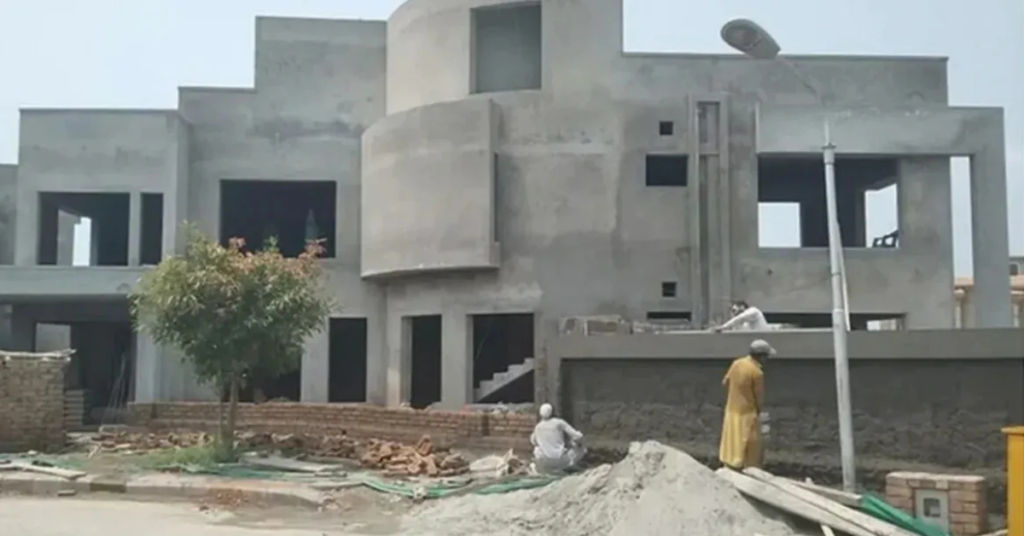
Grey structure house construction is the foundation of every durable, safe, and long-lasting residential building. It includes all the essential structural components of a house, such as excavation, foundation, columns, beams, walls, roofing, and plastering before the finishing stage begins. In Pakistan, the demand for professionally managed grey structure projects is increasing rapidly as homeowners now focus more on structural strength, quality materials, and long-term durability. A properly executed grey structure ensures that the building can withstand environmental pressures, load distribution, and future maintenance challenges. The process of grey structure house construction requires careful planning, experienced supervision, and high-quality construction materials to achieve the best results.
What is Grey Structure Construction?
Grey structure construction refers to the initial and most important phase of house building where the structural framework of the property is completed before interior finishing and decorative work begin. This stage determines the overall strength, durability, and safety of the building.
Definition of Grey Structure
Grey structure refers to the core structural phase of house construction that forms the basic skeleton of the building before interior and exterior finishing work begins. It typically includes excavation, foundation construction, RCC columns, beams, brick masonry, roofing, plastering, staircase development, water tanks, and basic plumbing and electrical conduits.
Difference Between Grey Structure and Finishing Work
Grey structure construction focuses entirely on the structural development and strength of the building, while finishing work is related to the visual appearance and interior functionality of the property. Structural work includes foundations, walls, roofs, and reinforced concrete elements, whereas finishing work covers paint, flooring, tiles, ceilings, woodwork, kitchen installation, sanitary fittings.
Importance of Structural Construction
Structural construction is one of the most critical stages in any building project because it directly impacts safety, durability, and long-term performance. A strong grey structure improves load-bearing capacity, minimizes the risk of cracks and settlement issues, and provides better resistance against environmental conditions such as moisture, heat, and seismic activity.
Planning Before Starting Grey Structure House Construction
Before beginning grey structure house construction, proper planning is essential to avoid delays, budget overruns, and structural complications. Careful preparation helps streamline the construction process and ensures better project management from start to finish. Selecting the right location, preparing accurate drawings, and estimating construction costs are all critical elements that contribute to successful project execution.
Key Planning Factors
- Selecting a suitable residential plot with proper accessibility
- Conducting soil testing and site analysis before excavation
- Preparing architectural and structural drawings
- Estimating grey structure construction cost accurately
- Planning construction timelines and labor management for smooth execution, similar to professionally managed residential construction projects.
- Ensuring compliance with local building regulations
Step 1 – Site Preparation and Excavation
Site preparation is the first physical stage of grey structure house construction and plays a major role in determining the strength and stability of the entire building. The process begins with clearing the site, removing debris, leveling the land, and marking the layout according to approved architectural drawings. Proper excavation is necessary to create a solid foundation base capable of handling structural loads efficiently. The depth and width of excavation depend on soil conditions, building size, and engineering specifications.
Excavation must be performed carefully to avoid uneven settlement and future structural issues. Professional supervision during this stage ensures accurate measurements, safety compliance, and proper machinery handling. Construction experts also conduct soil compaction and moisture checks to improve foundation performance. Companies like HC Group follow systematic excavation and site preparation methods to ensure long-term structural stability and construction accuracy.
Step 2 – Foundation Construction
The foundation is one of the most critical components of grey structure house construction because it supports the entire building load and transfers it safely to the ground. A strong foundation protects the building from settlement issues, cracks, and structural instability over time. Foundation construction begins after excavation and includes several important structural procedures.
Foundation Construction Process
| Construction Element | Purpose |
| PCC Layer | Creates a stable base before footing work |
| Footing Construction | Distributes building load evenly |
| Steel Reinforcement | Enhances structural strength |
| Concrete Pouring | Improves durability and stability |
| Waterproofing Measures | Protects foundation from moisture damage |
Proper curing during foundation work is equally important because it increases concrete strength and prevents cracks from developing in the future.
Read more: How to Choose the Best Construction Company
Step 3 – Plinth Beam and Damp Proofing
After foundation completion, plinth beam construction and damp proofing are carried out to improve structural integrity and protect the building from moisture damage. The plinth beam distributes loads evenly while providing additional support to walls and columns. Damp proofing prevents groundwater seepage from affecting walls, flooring, and structural components.
- Improves overall structural stability
- Prevents moisture penetration and wall dampness
- Reduces long-term maintenance costs
- Strengthens wall support system
- Enhances building durability and safety
Step 4 – Column and Beam Construction
Columns and beams form the primary load-bearing framework of a building during grey structure house construction. RCC columns transfer structural loads vertically to the foundation, while beams connect structural elements and distribute loads horizontally across the building. Proper reinforcement design, concrete ratio, and shuttering quality are essential for achieving maximum strength and stability.
During this stage, engineers carefully monitor steel placement, alignment accuracy, and concrete curing to ensure compliance with structural standards. Any compromise in column or beam quality can affect the safety and lifespan of the entire building. High-quality construction materials and skilled labor are necessary to maintain structural performance and resistance against environmental conditions.
Step 5 – Brick Masonry and Wall Construction
Brick masonry defines the layout, shape, and structural partitioning of the house. This stage requires precision, proper alignment, and quality materials to ensure durable wall construction and smooth finishing. Well-constructed walls contribute significantly to the thermal performance, structural balance, and visual accuracy of the property.
Important Factors in Brick Masonry
Brick Quality: Strong and uniform bricks improve wall durability and structural performance.
Mortar Ratio: Proper cement-sand mixture ensures stronger bonding between bricks.
Wall Alignment: Accurate wall positioning improves structural balance and finishing quality.
Curing Process: Regular curing prevents cracks and increases wall strength.
Step 6 – Roof Slab and Lintel Construction
Roof slab construction is one of the most technical stages of grey structure house construction because it directly impacts building safety and long-term durability. The process includes shuttering, steel reinforcement, electrical conduit placement, and concrete pouring. Proper roof slab curing is necessary to prevent cracks and maintain structural strength.
Lintel beams installed above doors and windows help distribute wall loads evenly and improve structural stability. Skilled engineering supervision during roof construction ensures proper slab thickness, reinforcement spacing, and load management. For professional guidance and reliable grey structure solutions, contact our construction experts to discuss your project requirements.
Step 7 – Electrical and Plumbing Conduits
Electrical and plumbing conduit installation is performed before plastering to ensure organized utility management and easier future maintenance. Proper planning during this stage prevents structural damage caused by unnecessary drilling or modifications later.
- Underground and concealed electrical conduit installation
- Water supply pipeline placement
- Drainage system planning and slope management
- Installation of sewerage lines
- Future maintenance accessibility considerations
- Safety-focused utility routing
Construction Materials Used in Grey Structure House Construction
The quality of construction materials directly affects the durability, strength, and lifespan of the building. Selecting premium-grade materials ensures better structural performance and minimizes future maintenance expenses. Construction experts recommend using certified materials that comply with engineering and safety standards.
| Material | Purpose |
| Cement | Structural bonding and concrete preparation |
| Steel | Reinforcement and load-bearing strength |
| Sand | Mortar and concrete mixing |
| Crush Aggregate | Concrete durability and stability |
| Bricks | Wall construction and partitioning |
| Gravel | Foundation support and drainage |
Grey Structure Construction Cost in Pakistan
The cost of grey structure house construction in Pakistan depends on several important factors, including plot size, material rates, labor charges, and design complexity. Construction costs continue to fluctuate due to market conditions, fuel prices, and changes in material availability. Proper budgeting and planning help homeowners control expenses while maintaining construction quality.
To make the estimation process easier, HC Group also provides a Construction Cost Calculator that helps homeowners get a quick and approximate budget estimate for their project before starting construction. It is a simple way to understand expected costs and plan your budget more effectively.
Factors Affecting Construction Cost
- Size and covered area of the house
- Quality of cement, steel, and bricks
- Labor and contractor charges
- Structural design complexity
- Location and transportation costs
- Market fluctuations in material prices
Professional construction companies like HC Group help clients manage budgets efficiently by maintaining transparency, quality control, and proper resource management throughout the construction process.
Common Mistakes to Avoid During Grey Structure House Construction
Many construction problems occur because of poor planning, low-quality materials, and lack of professional supervision. Avoiding these mistakes helps improve structural performance and reduces future repair costs.
- Ignoring soil testing before foundation work
- Using low-grade construction materials
- Poor waterproofing and damp proofing practices
- Weak steel reinforcement placement
- Inadequate concrete curing process
- Lack of engineering supervision on site
Benefits of Professional Grey Structure Construction Services
Professional grey structure construction services ensure better project management, high-quality workmanship, and improved structural durability. Experienced construction teams follow proper engineering standards, use quality materials, and maintain project timelines effectively. This not only reduces construction risks but also improves overall efficiency and long-term building performance.
Hiring experienced professionals also minimizes costly errors, improves safety standards, and ensures compliance with construction regulations. Reputable companies focus on delivering reliable and durable structures that meet modern residential construction requirements. A professionally managed grey structure ultimately provides peace of mind and long-term value for homeowners.
Conclusion
Grey structure house construction is the most important phase of any residential project because it forms the structural backbone of the building. From excavation and foundation work to roofing and utility installation, every stage requires careful planning, quality materials, and professional supervision to achieve durable and long-lasting results. Understanding each construction step helps homeowners make informed decisions and avoid common structural mistakes that can lead to costly repairs in the future.
A strong grey structure not only improves building safety and performance but also increases the long-term value of the property. By focusing on proper engineering standards, efficient project management, and reliable construction practices, homeowners can ensure successful project completion with lasting structural stability. Companies like HC Group continue to contribute to modern residential development by delivering professionally managed grey structure construction solutions that prioritize quality, durability, and client satisfaction.
FAQ’s
What is included in grey structure house construction?
Grey structure construction includes excavation, foundation work, columns, beams, brick masonry, roofing, plastering, and utility conduits before finishing work begins.
How long does grey structure house construction take?
The duration depends on project size, labor availability, and weather conditions, but most residential grey structures take several months to complete.
Why is soil testing important before construction?
Soil testing helps determine the load-bearing capacity of the land and prevents future structural settlement issues.
Which materials are most important in grey structure construction?
Cement, steel, bricks, sand, and crush aggregate are among the most essential materials for structural stability and durability.
How can construction quality be maintained during grey structure work?
Construction quality can be maintained through proper supervision, certified materials, engineering inspections, and regular curing processes.