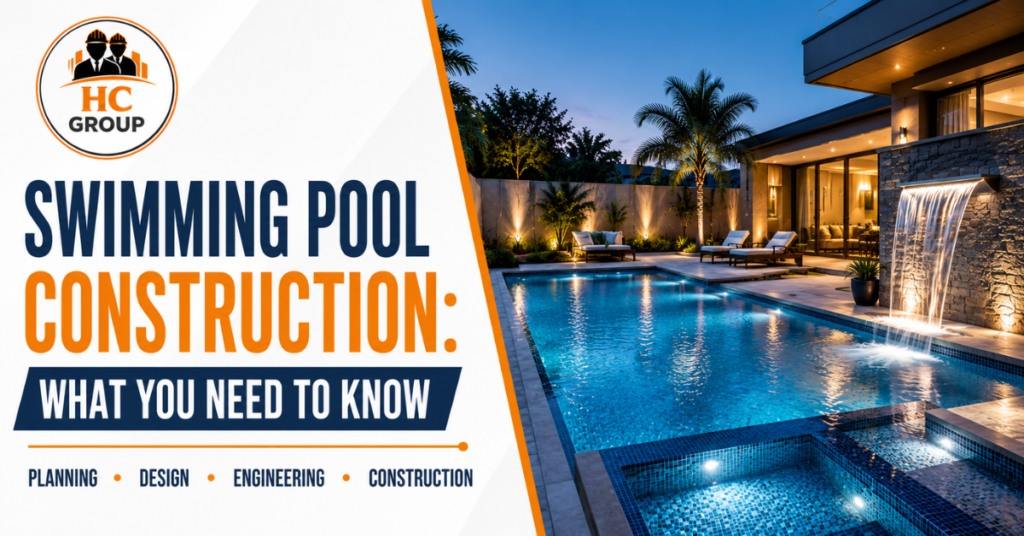
A swimming pool is more than just a recreational feature; it is an investment that enhances property value, improves outdoor living spaces, and creates a luxurious environment for relaxation and entertainment. Whether for residential, commercial, or hospitality projects, proper planning and execution are essential to achieving long-lasting results. Modern property owners increasingly prioritize custom pool designs that complement architecture while providing functionality and visual appeal. This growing demand has made Swimming Pool Construction an important aspect of modern development projects. Building a pool involves much more than excavation and concrete work. Factors such as site conditions, engineering requirements, filtration systems, waterproofing, safety standards, and maintenance planning all play critical roles in project success. Companies like HC Group focus on delivering quality-driven solutions that combine technical expertise with modern construction standards to create exceptional aquatic environments.
Understanding the Basics of Pool Development
Before starting a pool project, it is important to understand the fundamental elements that influence design, functionality, and long-term performance. Successful Swimming Pool Construction requires careful planning, engineering expertise, and attention to detail throughout every stage of development.
What Is Pool Development?
Pool development involves the design, engineering, excavation, structural construction, waterproofing, finishing, and installation of circulation systems required to create a fully operational swimming pool.
Common Pool Types
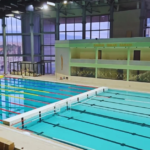
Residential pools, commercial pools, infinity pools, indoor pools, rooftop pools, and Olympic-sized pools are among the most popular options available today. Each type requires unique engineering considerations and construction methods.
Why Professional Expertise Matters
Professional planning ensures structural stability, water efficiency, safety compliance, and long-term durability. Experienced contractors also help prevent costly construction errors and maintenance problems. Discover experience in pool development and learn how our team delivers reliable and innovative construction solutions.
Important Planning Considerations
Proper planning lays the foundation for a successful pool project. Before construction begins, several critical factors should be carefully evaluated.
- Available site area and accessibility
- Soil conditions and ground stability
- Desired pool size and depth
- Local building regulations and approvals
- Water supply and drainage systems
- Budget and cost planning
- Safety and security requirements
- Future maintenance considerations
These factors directly affect project timelines, construction methods, and overall costs. Careful evaluation during the planning stage helps avoid unexpected complications and ensures smoother project execution.
Popular Pool Designs for Modern Properties
Modern pool designs focus on combining functionality with aesthetics to create visually appealing outdoor environments. Homeowners and developers now seek customized solutions that complement architectural styles while maximizing available space. Swimming Pool Construction projects often incorporate luxury features such as infinity edges, integrated spas, water features, and customized lighting systems.
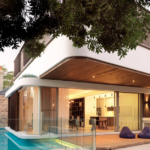
Geometric pools remain a popular choice for contemporary homes because of their clean lines and sophisticated appearance. Freeform designs provide a more natural and relaxed aesthetic, making them ideal for landscaped environments. Rooftop pools have also gained popularity in urban developments where space optimization is essential. Infinity pools continue to dominate luxury construction projects due to their seamless visual effect and premium appeal. Selecting the right design depends on property size, intended use, budget, and overall architectural vision.
Main Stages of Pool Construction
The construction process involves multiple phases that must be completed systematically to ensure structural integrity and long-term performance.
| Construction Stage | Purpose |
| Site Preparation | Clearing and marking the construction area |
| Excavation | Creating the pool shape and depth |
| Structural Framework | Installing steel reinforcement |
| Plumbing & Electrical | Setting up circulation and utility systems |
| Concrete Application | Forming the pool shell |
| Waterproofing | Preventing water leakage |
| Finishing Work | Installing tiles and surface finishes |
| Testing & Commissioning | Ensuring operational efficiency |
Each stage requires professional supervision and quality control measures to achieve a durable and reliable final product.
Read more: How to Choose the Best Construction Company
Materials Commonly Used in Pool Projects
Construction material selection significantly influences durability, maintenance requirements, and visual appearance. High-quality materials improve structural performance while reducing future repair expenses. Swimming Pool Construction projects commonly utilize reinforced concrete because of its strength and flexibility in custom designs.
Steel reinforcement provides structural stability and helps withstand hydrostatic pressure over time. Glass mosaic tiles are frequently chosen for interior finishes due to their elegant appearance and resistance to water exposure. Waterproof membranes protect the structure from leakage and moisture-related deterioration. PVC piping systems are widely used for plumbing networks because of their durability and efficient water circulation capabilities. Selecting premium materials during construction contributes to better performance and longer service life.
Importance of Filtration and Water Circulation Systems
Effective water circulation is essential for maintaining pool hygiene, water clarity, and overall user safety. A properly designed filtration system removes contaminants, prevents algae growth, and ensures balanced water quality throughout the pool. Modern Swimming Pool Construction projects incorporate advanced pumps, filters, skimmers, and automated circulation technologies to improve operational efficiency.
Water circulation systems distribute chemicals evenly while preventing stagnant water zones that can contribute to contamination. High-quality filtration equipment also reduces maintenance requirements and operating costs over time. Investing in reliable circulation infrastructure improves water quality and enhances the overall swimming experience for users.
Modern Innovations in Pool Technology
Technology continues to transform the swimming pool industry by improving convenience, efficiency, and sustainability.
Smart Pool Automation
Automation systems allow owners to control lighting, filtration, heating, and cleaning functions remotely through mobile devices.
Energy-Efficient Equipment
Variable-speed pumps and advanced filtration systems reduce energy consumption while maintaining optimal performance.
LED Lighting Integration
Modern LED systems enhance aesthetics while improving nighttime visibility and energy efficiency.
Automated Cleaning Solutions
Robotic cleaning equipment minimizes maintenance efforts and improves pool hygiene.
Solar Heating Systems
Renewable energy solutions help reduce operational costs while supporting environmentally responsible pool management.
These innovations have become increasingly common in modern Swimming Pool Construction because they improve both functionality and long-term cost efficiency.
Common Challenges During Pool Development
Even well-planned projects can face challenges if important technical considerations are overlooked.
- Poor soil conditions
- Inadequate drainage systems
- Waterproofing failures
- Design and engineering errors
- Construction delays
- Budget overruns
- Improper equipment selection
Professional project management and engineering supervision help minimize these risks and ensure smoother construction processes. Early planning and quality control measures remain essential for preventing costly issues during development.
Factors That Influence Construction Costs
Several variables affect overall project costs and should be considered when developing a construction budget.
| Cost Factor | Impact on Budget |
| Pool Size | High |
| Pool Depth | Medium to High |
| Excavation Requirements | High |
| Material Quality | Medium to High |
| Tile Finishes | Medium |
| Automation Features | Medium |
| Landscaping Integration | Medium to High |
| Water Features | Medium |
Understanding these cost drivers helps property owners make informed decisions and prioritize investments according to project goals. Accurate budgeting also supports better financial planning throughout the development process.
Selecting the Right Construction Partner
Choosing the right contractor is one of the most important decisions in any pool project. Property owners should evaluate potential contractors based on experience, technical expertise, project portfolio, engineering capabilities, and customer service standards. Reviewing previous projects provides valuable insight into construction quality and attention to detail.
Transparent pricing, detailed project proposals, and effective communication are also important indicators of professionalism. A reputable contractor prioritizes quality workmanship, safety compliance, and long-term client satisfaction. Companies such as HC Group emphasize comprehensive project planning and quality-focused execution to deliver successful outcomes for residential and commercial developments.
Long-Term Maintenance and Care
A swimming pool requires ongoing maintenance to preserve water quality, equipment performance, and overall appearance. Regular cleaning, chemical balancing, equipment inspections, and leak detection help prevent costly repairs and extend the lifespan of the facility. Property owners should establish a maintenance schedule immediately after project completion.
Routine inspections of pumps, filters, lighting systems, and circulation equipment ensure optimal operation throughout the year. Proper maintenance also supports user safety and protects the long-term value of the investment. Incorporating maintenance planning into Swimming Pool Construction projects helps ensure continued performance and operational efficiency.
Conclusion
Building a swimming pool involves much more than creating a recreational space. Successful Swimming Pool Construction requires detailed planning, professional engineering, quality materials, advanced filtration systems, and proper maintenance strategies. Every stage, from design and excavation to finishing and commissioning, contributes to the long-term durability and performance of the project.
Property owners who understand the construction process are better equipped to make informed decisions regarding design selection, budgeting, and contractor evaluation. Modern innovations continue to improve efficiency, sustainability, and user convenience, making contemporary pools more functional than ever before. By partnering with experienced professionals and prioritizing quality throughout the project lifecycle, property owners can create attractive and durable aquatic environments that provide lasting value for years to come.
FAQ’s
What is swimming pool construction?
Swimming pool construction is the process of designing, engineering, building, and commissioning a swimming pool using structural, mechanical, and finishing systems.
How long does it take to build a swimming pool?
The construction timeline depends on pool size, design complexity, site conditions, and weather, but most projects take several weeks to complete.
What materials are commonly used in pool construction?
Reinforced concrete, steel reinforcement, glass mosaic tiles, waterproof membranes, and PVC plumbing systems are commonly used.
What factors affect swimming pool construction costs?
Pool size, depth, materials, excavation requirements, automation features, and landscaping integration significantly influence project costs.
Why is a filtration system important?
Filtration systems maintain water quality, improve hygiene, prevent contamination, and reduce long-term maintenance requirements.
How can I choose the right pool construction company?
Look for experience, project portfolio, engineering expertise, transparent pricing, quality standards, and customer reviews when selecting a contractor.