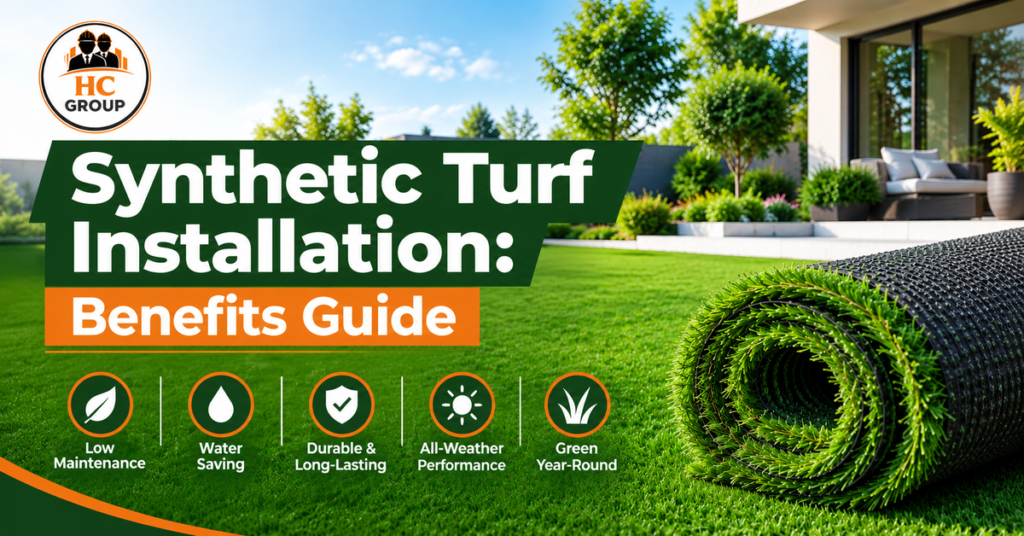
A well-designed outdoor space can improve a property’s appearance, usability, and overall appeal, but maintaining natural grass often requires regular watering, mowing, fertilizing, and seasonal care. Synthetic turf has become a practical alternative for homeowners, commercial property owners, schools, and sports facility developers seeking an attractive green surface with fewer routine maintenance demands. Synthetic turf installation involves more than simply laying artificial grass over an existing surface, as proper ground preparation, drainage, material selection, and secure fitting all contribute to long-term performance. Modern artificial grass products are available in different textures, pile heights, densities, and specifications to suit residential gardens, commercial landscapes, playgrounds, and selected sports applications.
The right system can provide a consistent appearance while reducing the need for frequent irrigation and lawn care. However, factors such as surface temperature, initial installation costs, plastic materials, and end-of-life disposal should also be considered before making a decision. Understanding these advantages and limitations helps property owners determine whether synthetic grass suits their climate, budget, and intended use. This guide explores the key benefits, installation stages, cost factors, maintenance requirements, and practical considerations involved in choosing artificial turf for different outdoor environments.
What Is Synthetic Turf Installation?
Synthetic turf is an artificial grass surface manufactured using synthetic fibers designed to resemble the appearance and texture of natural grass. It is commonly used in residential gardens, commercial landscapes, rooftop terraces, playgrounds, and sports facilities where maintaining natural grass may be difficult or expensive. The fibers are usually attached to a backing material that allows the turf to be secured over a properly prepared base. Depending on the intended application, artificial grass can vary in pile height, fiber density, softness, resilience, and drainage performance.
Professional landscaping services in Lahore include evaluating the site, preparing the ground, selecting suitable materials, and ensuring that the finished surface is properly secured. A suitable installation system also considers water drainage, expected foot traffic, and the specific performance requirements of the area. For example, decorative garden turf may prioritize appearance and comfort, whereas sports turf may require specialized shock absorption, traction, and ball response. Understanding these differences helps property owners choose a product that meets their practical requirements rather than selecting artificial grass based on appearance alone.
Key Benefits of Synthetic Turf Installation
One of the main reasons property owners choose artificial grass is its ability to maintain a consistent appearance without many of the routine tasks associated with natural lawns. Natural grass can require frequent mowing, watering, fertilizing, reseeding, and weed management, depending on the climate and soil conditions. Artificial turf reduces several of these demands, making it an attractive option for busy households and commercial properties with large outdoor areas. A properly designed surface can also help reduce muddy patches and maintain a more predictable appearance in frequently used spaces.
Although the initial investment may be higher than some basic natural lawn alternatives, reduced routine maintenance can contribute to long-term savings in certain situations. The actual financial benefit depends on local water prices, maintenance costs, product quality, and the condition of the existing landscape. Property owners should also remember that artificial grass still needs cleaning, brushing, and occasional repairs. Considering both the immediate benefits and ongoing responsibilities provides a more realistic understanding of its value.
Lower Lawn Maintenance Requirements
Artificial grass eliminates the need for routine mowing and reduces the demand for several common lawn-care activities. Property owners can spend less time managing grass growth and more time enjoying their gardens or outdoor recreational spaces. Occasional brushing, debris removal, rinsing, and inspections are still necessary to keep the surface clean and functional. This option can be particularly useful for small gardens, busy commercial premises, and areas where regular landscaping maintenance is inconvenient.
Consistent Green Appearance
Synthetic grass maintains its general green appearance throughout the year without depending on seasonal grass growth. It can be useful in locations where natural lawns struggle because of heavy foot traffic, limited sunlight, or inconsistent watering. However, the final appearance depends on the quality of the fibers, installation workmanship, exposure to sunlight, and regular care. Choosing a suitable product helps maintain a more natural-looking finish.
Reduced Watering Requirements
Artificial turf does not require irrigation to maintain living grass, which can reduce the amount of water used for lawn maintenance. This benefit may be especially valuable in regions where water conservation is important or outdoor irrigation is expensive. Nevertheless, water may still be needed to remove dust, clean the surface, or manage pet-related odors. In hot climates, occasional rinsing may also help cool the turf temporarily, although it does not eliminate heat retention.
Better Usability in Frequently Used Areas
Natural lawns can become muddy, uneven, or worn when exposed to repeated use, particularly during wet weather. Artificial grass can provide a more consistent surface for garden seating areas, recreational spaces, and selected play areas when the system is designed for its intended purpose. Its performance depends on the quality of the base, drainage, turf specifications, and level of activity. Sports and playground applications require additional attention to surface safety and impact protection.
Synthetic Turf vs. Natural Grass: Which Is Better?
Choosing between artificial grass and natural grass requires considering the property’s location, intended use, available maintenance resources, and environmental priorities. Natural grass offers living vegetation, supports soil-based ecological processes, and can provide cooling through evapotranspiration when adequately watered. However, it generally requires mowing, irrigation, and ongoing care to maintain its appearance. Artificial grass offers a more consistent visual finish and removes the need to maintain living grass, but it introduces plastic materials and can become hot in direct sunlight. The better choice is not necessarily the one with the lowest initial cost, because installation, water use, repairs, and maintenance can affect the total expense over time. Property owners should compare these factors according to their actual conditions rather than relying on general claims about either surface. A careful comparison can help identify the most practical option for residential gardens, commercial landscapes, and recreational areas.
Main Differences to Consider
- Maintenance: Natural grass requires mowing and lawn care, while artificial grass needs brushing, cleaning, and periodic inspections.
- Water consumption: Natural lawns require irrigation in many climates, whereas synthetic surfaces do not need watering for grass growth.
- Initial cost: Artificial turf usually involves a substantial upfront investment for materials, site preparation, and installation.
- Surface temperature: Artificial grass can become significantly hotter than natural grass under direct sunlight.
- Appearance: Synthetic turf provides a consistent look, while natural grass changes with the seasons and growing conditions.
- Environmental considerations: Natural grass supports living soil and vegetation, while artificial turf avoids some lawn-care inputs but introduces plastic waste and potential microplastic concerns.
- Repair requirements: Damaged natural grass can often regrow under suitable conditions, whereas artificial turf may require patching or replacement.
Ultimately, the right surface depends on how the area will be used and which trade-offs matter most to the property owner.
Types of Synthetic Turf for Different Applications
Artificial grass is available in several varieties, each designed to meet different visual, functional, and performance requirements. Selecting the right type is essential because decorative turf may not provide the cushioning or durability required for intensive sports activities. Fiber height, density, backing quality, drainage capacity, and resistance to wear should all be evaluated before purchasing a product. The surrounding environment also matters, particularly in areas exposed to strong sunlight, heavy rainfall, pets, or continuous foot traffic. A product intended for residential decoration may perform differently when installed in a busy commercial setting. For larger recreational projects, sports complex construction services can help property owners explore the planning and development requirements of sports facilities. During synthetic turf installation, matching the turf specification to the intended application helps prevent premature wear and unnecessary maintenance. Buyers should request technical information from suppliers and confirm that the selected product meets any relevant safety or performance requirements.
Residential Artificial Grass
Residential turf is commonly used in front lawns, backyards, garden borders, balconies, and selected rooftop spaces. Homeowners often prioritize softness, realistic coloring, comfort, and a natural appearance when choosing a product. Drainage and heat resistance should also be considered, especially in outdoor areas used by children or pets.
Commercial Landscape Turf
Commercial artificial grass can be used around offices, hotels, restaurants, retail properties, and other buildings where a neat outdoor appearance is desirable. It can help reduce routine lawn maintenance in areas where consistent presentation is important. Product selection should account for pedestrian traffic, cleaning requirements, and the expected lifespan of the landscape.
Sports and Playground Turf
Sports turf is designed for particular activities and may require specialized fiber systems, infill, shock pads, or supporting layers. Different sports have different requirements for traction, ball movement, surface resilience, and player safety. Playground turf may also require an impact-attenuating system appropriate for the equipment height and applicable safety standards.
Pet-Friendly Artificial Grass
Pet-friendly products should offer appropriate drainage, durable fibers, and a surface that can be cleaned effectively. Owners should consider how quickly liquids pass through the backing and whether the base allows wastewater to drain away properly. Regular removal of solid waste and cleaning are necessary to control odors and maintain hygiene.
Step-by-Step Synthetic Turf Installation Process
A durable artificial lawn depends on more than the quality of the turf itself. Proper ground preparation, stable base materials, accurate cutting, and effective drainage all influence the final result. Before work begins, the installer should assess the site’s dimensions, soil conditions, existing vegetation, slope, and intended use. Any existing drainage issues should be identified and addressed before the new surface is laid. Professional workmanship also helps reduce visible seams, loose edges, surface irregularities, and premature wear. For projects requiring additional site development or structural work, construction services can help property owners explore suitable planning and construction solutions. Although installation methods vary according to the site and product, most projects follow a series of preparation, fitting, and finishing stages. Understanding these stages allows property owners to assess quotations more effectively and recognize the importance of each part of the process.
Typical Installation Stages
- Site inspection and measurement: Assess the area, establish the required turf quantity, and identify obstacles or drainage concerns.
- Ground clearance: Remove existing grass, weeds, debris, and unsuitable surface materials.
- Excavation and grading: Prepare the required depth and establish appropriate levels or slopes.
- Base preparation: Install and compact suitable aggregate or another approved base system according to site conditions.
- Drainage planning: Confirm that water can move through or away from the surface without creating standing water.
- Turf positioning and cutting: Align the grass fibers consistently and cut the material accurately around edges and obstacles.
- Seam joining and securing: Join separate sections using compatible materials and secure the perimeter.
- Infill and brushing: Where required, distribute suitable infill and brush the fibers to improve their appearance and performance.
- Final inspection: Check seams, edges, surface levels, drainage, and the overall finish.
The exact method depends on whether the turf is installed over soil, concrete, a rooftop, or an existing recreational surface. Concrete installations, for example, may require a different drainage and attachment approach than a garden installed over soil. An experienced installer should explain which preparation methods are appropriate for the specific site before work begins.
Artificial Turf Drainage and Ground Preparation
Drainage is one of the most important technical considerations when planning an artificial lawn. Even high-quality turf can perform poorly if water collects underneath it or cannot escape from the surrounding area. The required drainage system depends on rainfall, soil permeability, surface slope, base construction, and the drainage characteristics of the turf backing. In some locations, a properly prepared aggregate base allows water to move through the surface and into the ground, while other sites may require dedicated drainage channels or connections to an approved drainage outlet. Proper construction planning and site preparation helps identify potential drainage issues and establish a suitable foundation before installation begins.
Concrete and rooftop installations need particular attention because water cannot necessarily drain naturally into the underlying surface. During installation, the base should be stable, appropriately compacted, and graded to prevent unwanted depressions. Property owners should also ensure that water is directed away from building foundations and neighboring properties. Correct preparation improves usability and reduces the risk of persistent odors, uneven areas, and water-related deterioration.
Important Drainage Considerations
- Assess soil permeability and existing water flow before selecting a base system.
- Establish appropriate slopes where necessary to direct surface water safely.
- Use compatible drainage materials and avoid blocking the turf’s drainage openings.
- Check the performance of existing drains before covering the surface.
- Consider waterproofing and drainage requirements for balconies and rooftops.
- Make sure pet-use areas can be cleaned and drained effectively.
Synthetic Turf Installation Cost and Budget Factors
The cost of installing artificial grass depends on the size of the area, product quality, site preparation requirements, and complexity of the project. Turf with greater fiber density, specialized backing, or particular performance characteristics may cost more than basic decorative products. The condition of the existing ground can also influence the budget, as removing old surfaces, excavating soil, correcting slopes, and installing a suitable base may require additional labor and materials. Drainage improvements, edging, seam materials, infill, and access limitations can further affect the final quotation. Sports facilities and playgrounds may require specialized systems that cost more than a standard residential lawn. Rather than comparing prices based only on the turf’s square-foot or square-meter rate, property owners should request a breakdown of the complete installed system. To estimate the overall budget for related construction work, property owners can also use the construction cost calculator as a starting point for project planning. This approach makes it easier to identify missing items and compare contractors on an equivalent basis.
What Should Your Installation Budget Include?
| Cost component | What to check |
| Turf materials | Fiber quality, density, pile height, backing, and warranty |
| Site preparation | Removal, excavation, grading, and disposal |
| Base construction | Aggregate, compaction, and leveling |
| Drainage | Drainage materials, channels, and required connections |
| Installation labor | Cutting, joining, fitting, and securing |
| Finishing materials | Edging, adhesives, infill, and brushing |
| Additional work | Access preparation, repairs, and site-specific requirements |
For accurate budgeting, ask for a site inspection and a written quotation that identifies material specifications, labor, drainage provisions, and any exclusions. Prices should be compared using the same measurement units and scope of work. If the project is located in Pakistan, request current local rates rather than relying on prices quoted for other markets. A properly itemized estimate helps you assess the initial investment alongside expected maintenance and replacement costs.
Synthetic Turf Maintenance and Cleaning Tips
Artificial grass generally requires less routine care than a natural lawn, but regular cleaning remains important for maintaining its appearance and usability. Dust, fallen leaves, food debris, and other materials can collect between the fibers, particularly in gardens surrounded by trees. Removing this debris helps keep the surface tidy and prevents organic material from accumulating. Brushing the fibers periodically can help restore their upright appearance in areas where people frequently walk or sit. Pet owners should remove waste promptly and follow the manufacturer’s recommended cleaning instructions to control odors. It is also important to inspect seams, perimeter fixings, and drainage points for signs of movement or blockage. Cleaning methods should be compatible with the turf materials, as harsh chemicals, excessive heat, or unsuitable equipment may damage the surface. A simple maintenance routine can help protect the installation and identify minor issues before they require more extensive repairs.
Recommended Maintenance Routine
- Remove leaves and loose debris using a suitable brush or blower.
- Rinse dusty areas when needed, following the manufacturer’s guidance.
- Brush high-traffic areas to help maintain the direction of the fibers.
- Clean pet waste promptly and use compatible cleaning products.
- Inspect seams, edges, and drainage points periodically.
- Arrange repairs if sections become loose, uneven, or visibly damaged.
Synthetic Turf Durability, Lifespan, and Safety
The lifespan of artificial grass depends on its material quality, installation workmanship, exposure to weather, and frequency of use. Products designed for light residential use may experience different wear patterns from turf installed in busy commercial spaces or sports facilities. Ultraviolet exposure can affect some materials over time, making UV resistance an important specification in sunny climates. Heavy foot traffic, furniture movement, inadequate base preparation, and poorly secured seams can also shorten the service life of an installation. Safety considerations are equally important, especially in locations used by children, pets, or athletes. Artificial grass can become hot in direct sunlight, so surface temperature should be considered when planning areas for barefoot use or outdoor recreation. Sports and playground installations may need independently verified performance characteristics, including appropriate traction and impact protection. Checking product documentation and following maintenance instructions helps property owners make better-informed decisions about durability and safe use.
Factors That Affect Performance
- Material quality: Fiber composition and backing construction influence wear resistance.
- Installation quality: A stable base and secure seams help prevent unevenness and movement.
- Climate exposure: Sunlight, heat, rainfall, and local weather conditions affect performance.
- Usage levels: Frequent activity can cause flattening and increase maintenance needs.
- Safety specifications: Playgrounds and sports areas require systems suitable for their particular activities.
- Routine inspections: Early identification of damaged edges, loose seams, or drainage issues can reduce repair needs.
Environmental Impact of Artificial Grass
Environmental considerations should be part of the decision to install artificial grass, particularly for property owners who want to reduce water consumption or improve landscape sustainability. Because synthetic turf does not need water to support grass growth, it can reduce irrigation demand compared with a natural lawn in some climates. It may also reduce the need for fertilizers, herbicides, and mowing equipment associated with conventional lawn maintenance. However, artificial grass is typically manufactured from synthetic materials, and its production, transportation, replacement, and disposal have environmental costs.
Some systems may also release small plastic particles through wear, while high surface temperatures can affect outdoor comfort. Natural grass, by comparison, supports living soil and can contribute to local ecological functions when managed appropriately. The overall environmental outcome depends on local water availability, existing vegetation, product lifespan, maintenance practices, and end-of-life options. Property owners should therefore compare the complete environmental implications instead of assuming that either surface is always the more sustainable choice.
How to Make a More Informed Choice
Choose a product with clear material specifications and a realistic expected service life. Ask the supplier about repairability, recycling options, infill composition, and the recommended disposal process when the turf eventually reaches the end of its useful life. Where water conservation is the main objective, consider whether drought-tolerant planting, permeable landscaping, or a smaller natural lawn could achieve the same goal. For many projects, combining artificial turf with suitable planting beds and trees can provide a more balanced landscape design.
How to Choose a Professional Artificial Turf Installer
Selecting an experienced installer is essential for achieving a consistent finish and avoiding problems related to poor drainage, uneven surfaces, or weak seams. Property owners should begin by reviewing completed projects that are similar in size and purpose to their own. A contractor should be able to explain the proposed turf specifications, preparation method, drainage arrangements, and installation sequence in clear terms. Written quotations should identify the materials being supplied, the work included, the warranty conditions, and any additional charges that may arise.
It is also useful to ask how the installer handles site complications, such as uneven ground, limited access, existing concrete, or rooftop drainage. Recommendations and project photographs can provide helpful evidence, but they should be supported by clear technical details and realistic commitments. A reliable contractor will discuss the limitations of the selected product rather than promising that artificial grass is maintenance-free or suitable for every application. Taking time to evaluate these factors helps property owners select a solution that meets their practical requirements and budget.
Questions to Ask Before Hiring an Installer
- Which turf product and specifications are recommended for this project?
- What ground preparation and drainage work will be required?
- How will seams, edges, and transitions be secured?
- Does the quotation include all materials, labor, and finishing work?
- What product and workmanship warranties are provided?
- What maintenance will be necessary after installation?
- Can you share examples of similar completed projects?
For property owners seeking professional landscaping assistance, HC Group can be considered when evaluating options for outdoor development and related construction requirements. Discussing the intended use, site conditions, and budget before work begins helps establish a clearer scope for the project. The final choice should be based on the proposed installation method, suitable materials, workmanship, and the contractor’s ability to meet the property’s requirements.
Is Synthetic Turf Installation Worth It?
Artificial grass can be a worthwhile investment for properties where a consistent green appearance, reduced mowing, and lower irrigation demand are important priorities. It may be particularly useful for small gardens, selected commercial landscapes, and outdoor areas where natural grass is difficult to maintain. However, the decision should also account for the initial cost, surface heat, cleaning requirements, material composition, and eventual replacement or disposal. Synthetic turf installation is most successful when the selected product matches the site’s intended use and the underlying surface is properly prepared.
Property owners should compare artificial grass with natural turf and other landscaping alternatives before committing to a particular solution. For sports facilities and playgrounds, product selection must also consider the technical and safety requirements of the activity. A professional site assessment can help identify drainage needs, suitable materials, and any preparation work that may affect the budget. By evaluating both the benefits and limitations, property owners can make a practical decision that supports their long-term landscaping goals. If you are planning to upgrade your outdoor space, discuss your project with HC Group’s expert team to explore suitable landscaping and turf solutions tailored to your property’s needs.
FAQ’s
What are the main benefits of synthetic turf installation?
The main benefits include reduced mowing, lower irrigation requirements, a consistent green appearance, and fewer muddy patches in suitable applications. The actual advantages depend on the product, site conditions, and how the surface is used. Artificial grass still requires periodic cleaning, brushing, and inspection.
How long does artificial grass typically last?
The lifespan varies according to turf quality, installation workmanship, weather exposure, and traffic levels. Well-maintained products may last for many years, but there is no single lifespan that applies to every installation. Buyers should check the manufacturer’s specifications and warranty conditions before purchasing.
Does artificial grass require drainage?
Yes, effective drainage is important because water must be able to pass through the turf or move safely away from the surface. The appropriate system depends on the underlying ground, slope, rainfall, and installation location. Rooftops and concrete surfaces may require additional drainage planning.
How much does synthetic turf installation cost?
The cost depends on the area size, turf specifications, ground preparation, drainage, labor, and finishing materials. Sports and playground systems may have additional technical requirements. Request a detailed, site-specific quotation to understand the total installed cost.
Does artificial grass get hot in summer?
Yes, synthetic grass can become significantly hotter than natural grass under direct sunlight, particularly in hot climates. Shade, appropriate product selection, and temporary rinsing may help manage surface temperature, although rinsing provides only temporary cooling. Consider this factor carefully in areas used by children, pets, or barefoot visitors.
Is artificial grass environmentally friendly?
Artificial grass can reduce irrigation needs and some lawn-care inputs, but it is generally made from synthetic materials and creates end-of-life disposal challenges. Its environmental impact depends on the product’s lifespan, local water conditions, maintenance, and available recycling options.